CONNECT WITH US

Research and Demonstration
charrette6web.jpg

Greenspace Learning and Resource Center

Greenspace is already under development. This new 13,000 square foot learning and resource center in Washington, D.C.--designed to meet LEED platinum standards--will be the region's place to showcase ideas, approaches and resources, as well as build the skills and relationships necessary, to create our green communities.

Reframing the Sustainability of Leased Space

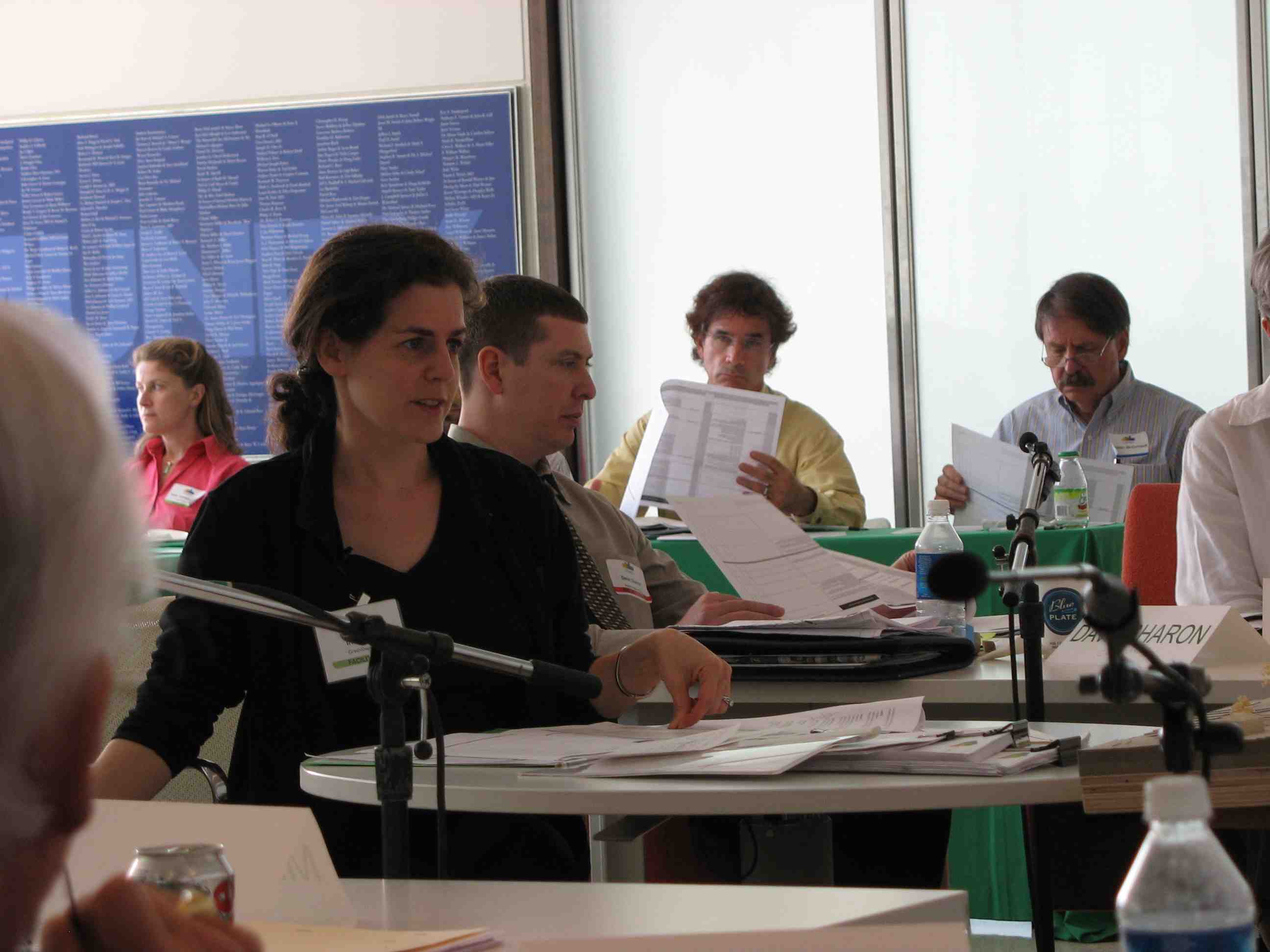
To leverage the design and construction of the build out itself Greenspace is working closely with its design team from Gensler, researchers from Catholic University's architecture department, and partners from the development, design, legal, construction and finance communities to explore and demonstrate the reframing of the sustainability of leased space. While LEED CI and LEED for Retail are being employed to increase the sustainability of leased space and green leases are addressing their operations, we want to build out Greenspace so that the sustainability is employed in support of multiple users and uses, over time.

We have already negotiated lists of what might stay with the space and what might go with the tenant to a new space with the landlord. We want to employ the adage that good campers follow, "leave your campsite better than you found it." When you go camping you know that the campsite is your temporary base for exploring and enjoying nature. Since sustainability is a matter of thoughtful choices that consider the future we want to make things better for those who follow. This reality is in sharp contrast to what you often hear when taking on a new leased space "Well, after we clear all of this away we can ..." We want to exploit the opportunities for flexibility and adaptability so that we reduce the amount of materials that end up in the landfill and we also preserve the efforts it took to design and construct the space, initially.

The outcome of this effort will deliver valuable research and demonstration and leverage the processes of the design, construction and operations of Greenspace as a teaching tool - engaging the professional community in integrated design, sustainable approaches and techniques and leave a series of lessons learned to increase the sustainability of leased commercial and retail space.

DC Retrofit Workforce and Market Development "Leave No Building Behind"

The ultimate goal of the Greenspace DC Retrofit Workforce and Market Development Program is to ensure the success of a robust retrofit sector through the development of strategy that identifies performance standards, market opportunities and gaps, a well-trained workforce and benefits from the growing demand for building retrofits. This program ultimately reduces energy use and cost and creates opportunities for new jobs and long term careers from the establishment of a robust retrofit marketplace from which the District can benefit.

Retrofit Pilots

While policy is an essential driver for retrofit and PACE programs there are limitations of the marketplace in realizing the full potential to achieve deep energy retrofits with strong economic returns. Therefore, Greenspace, with its partners, the DC Downtown BID, the Carbon War Room, and Living City Block have designed a PACE Implementation Pilot Program for the District of Columbia that addresses marketplace limitations by establishing scalable models for:

• service delivery and product distribution that leverage coordination and multi-building solutions to achieve efficiencies for the program and its participants,
• maintenance and monitoring programs that supply training when it is needed and remediate where it is indicated to deliver ongoing building performance for both commercial and residential properties, and
• online protocols for selecting and engaging qualified service providers and securing needed products

Market Research for Development Professionals

We conducted an end user market survey of development professionals that illuminated a significant need for green-related education and training resources and confirmed that Greenspace programs and services are wanted and needed. With current resources we hired new staff and multiple consultants to support our programs and further our organizational development and strengthen our financial management.
Results demonstrated the following:

• More than 1/2 of those surveyed believe that their green building and education needs are not being met
• Over 40% of those surveyed believe they lack the knowledge to green their practices and facilities
• Those surveyed feel particularly uneducated about policy changes, standards and codes, for example:
o Only 50% believe they have even a basic understanding of DC Green Building Act
o 72% believe their needs for training and education on policies are not being met
o Only 10% feel completely prepared to implement policies
• Of those surveyed, ~60% believe their involvement in green will increase significantly (and another 30% increase somewhat)
• On top of that, if needs are met, ~77% of those surveyed would increase their involvement in green
• Building professionals are unprepared to implement requirements and policies
• Building professionals, particularly at smaller and mid-size firms, are in need of hands-on training
o Over 33% are extremely interested in hands-on training
o Over 40% expect to access training frequently
o They want practical, applicable training
• Energy efficiency, stormwater management and indoor air quality training are in high demand

The survey concludes that the tangible, hands-on training we are working with consultants and other partners to provide through Greenspace will develop the needed knowledge, skills and capacity for building and government professionals. This new strengthened industry will apply their skills and knowledge to lead both new and retrofit projects to create a high performance building sector throughout the District.

In total, Greenspace training will fill an unmet need for resources by equipping building professionals to apply green practices and utilize green products
- ~85% will increase involvement in green/high performance if their resource needs are met
- Trades people with existing skills will become better trained and more marketable
- Trades people without a background in green will be given new opportunities